
Published April 6, 2021
Building A Custom Home

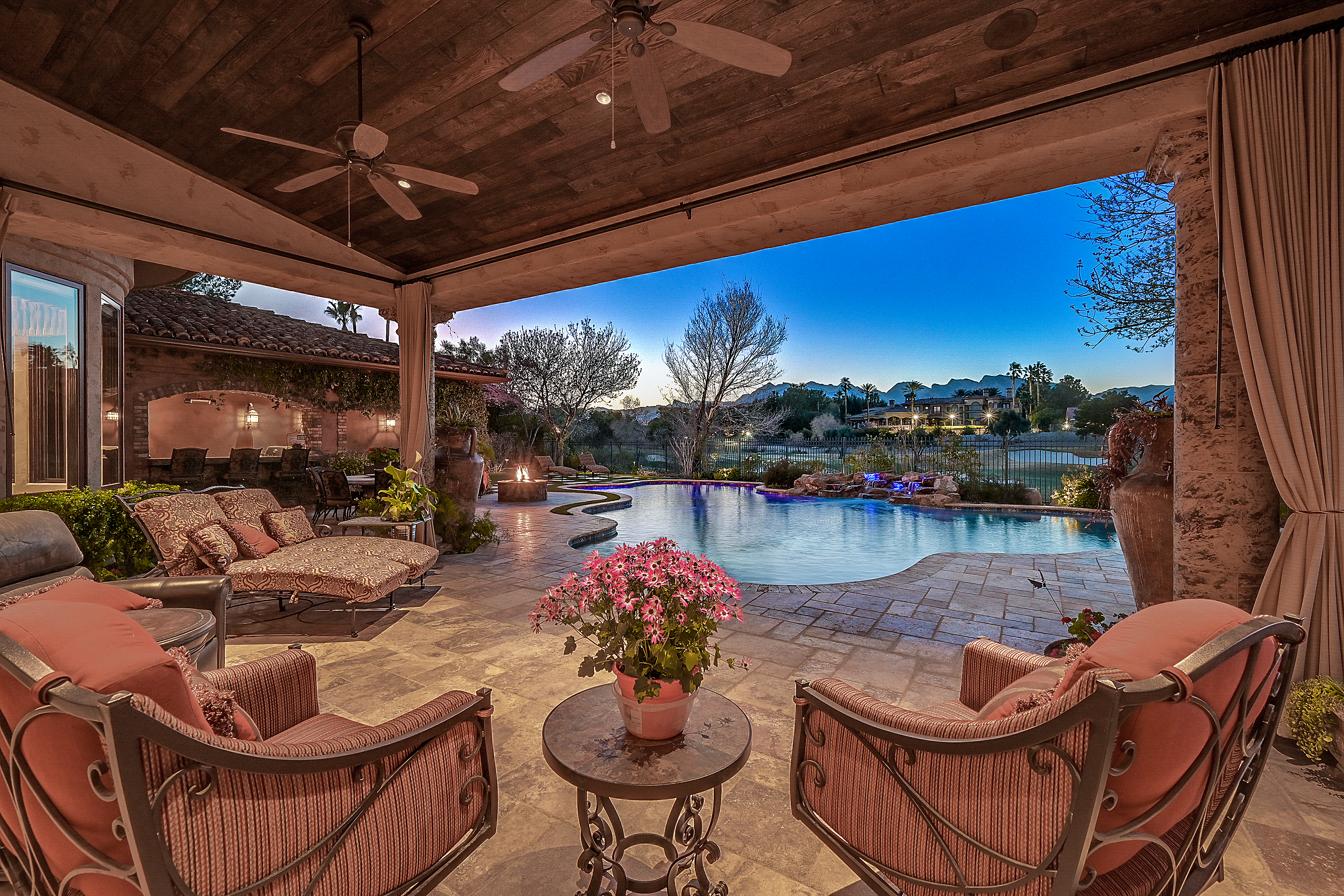
Custom building a luxury home is an exciting venture and could be one of the largest investments most make in their lifetime. But it can also feel a lot like walking around in the dark, leaving one unsure where to even start.
The first thing is to recognize custom building is as unique as the home itself, so it’s important to perform due diligence before breaking ground. Researching questions before construction can alleviate stress and help buyers avoid typical pitfalls.
Choosing Your Team
The
most important step is hiring a team of experienced people to navigate
the lengthy process. Custom building a home can take up to a year for
planning and twelve to twenty-four months to build.
“I tell my clients before they make a final decision on anyone, meet with each one of them,” Darin Marques, owner of The Darin Marques Group at Huntington & Ellis said. “Spend some time with them, get to know them, and let them get to know you because essentially you could be spending three to four years with them. If you don’t connect, it can make for a very stressful situation.”
Depending on the
buyer’s needs, the team might consist of a custom builder, architect,
and designer, or an all-inclusive custom design/build firm. The team
can also include a realtor and lender who specialize in custom
building.
Marques advises clients wanting to build choose an experienced architect who can cost-effectively translate their vision into a home design.
“If the architect doesn’t see your vision or vice versa it can make it a very stressful build,” Marques said. “Make sure you have a good relationship with them.”
Architects engaged early in the process can provide insightful advice into lot selection such as its impact on the design and potential trouble areas such as power lines, lot position, and view hindrances.
Choices for a custom builder range from an independent contractor to an all-inclusive custom design/build firm.
As an independent general contractor, Dane Isenmann functions as the manager of the project. He hires subcontractors and vendors while overseeing all aspects of the actual construction. Over that last forty years, Isenmann managed 500 residential construction projects including 20 projects in The Ridges of Summerlin.
“When someone selects me to do their job, I have to be their eyes, ears and hands-on guy,” Isenmann, owner/founder of Dane Isenmann Builders, said. “The guy they can trust to make sure the bills are paid and there are no liens.”
Isenmann said he even helps his clients find architects, designers, and/or other vendors.
Blue Heron, a custom design/build firm, provides an all-inclusive option to custom building. Blue Heron has built over 250 custom homes in the area with 64 currently under construction.
According to Blue
Heron Chief Marketing Officer Ryan Thompson, every project is guided by a
multi-disciplinary team representing vision, architecture, interior
design, furnishings, project delivery, and construction.
“This team works with the client from day one,” Thompson said. “Assessing their needs and desires, converting them into innovative designs while Project Delivery ensures the design stays on budget and schedule through a multi-stage estimating process and real-time tracking tools.”
Upon completion of the design and structural and civil engineering, the builder prepares an itemized cost proposal. Marques recommends buyers have a clear understanding with the builder about the budget before its finalized.
“It identifies everything that goes into the project and how much it’s going to cost,” Isenmann said. “I think it’s a smart way to do business, determine the cost, present it to the buyer before signing the contract.”
Lot Selection
Location is key when purchasing real estate. Factors to consider are view, school district, traffic/busy streets, noise, proximity to employment and/or conveniences, amenities, safety, and topography. Additional considerations include the desired lot size, budget, and style of the home. Working with an experienced realtor who specializes in luxury real estate can be a helpful resource.
“I would start with the area of town,” Marques said. “Do they want to be on the east side in Henderson or west side in Summerlin.”
The Valley boasts of several incredible luxury communities, each with its amenities and lifestyle. Summerlin offers guard-gated communities such as The Ridges and Summit. Las Vegas has Southern Highlands and Henderson MacDonald Highlands, ASCAYA, and Lake Las Vegas offering incredible ready-to-build lots.
Lots in developed communities
typically have utilities at the site, grated and surveyed. Some
communities also have soil reports performed. In the case of building a
basement or pool, Marques recommends the buyer get their soil report
done to find out if caliche is an issue.
“They don’t do a soil report on every lot,” Marques said. “They usually pick an area, drill, and perform a soil report and that usually means the topography of the area is fairly similar.”
These exclusive
communities are typically governed by homeowner associations (HOA),
which have covenants, conditions, and restrictions known as CC&Rs.
The CC&Rs dictate architectural guidelines including the style and
design of the home as well as other requirements.
“You need to review the architectural guidelines and find out the design criteria for the community,” Marques said. “You’ll want to review that early on so you’ll know if what you want to design will fit within that community.”
CC&R’s also stipulate the time-frame homeowners have for construction. These timeline restrictions are placed on the lot and transferred if the lot is sold.
According to Marques, there are ways to negotiate an extension during the purchase agreement. If the timelines expire, property owners are assessed penalties.
“Those penalties could be anywhere from $2,500 to $15,000 a month if you don’t start construction on time,” Marques said. “Somebody not familiar with an HOA and understanding how timelines work could buy a lot and realize they are getting dinged with construction penalties.”
Besides HOA guidelines, the
community’s developer can stipulate restrictions for the community. An
experienced listing agent can provide buyers with a community’s HOA
information, CC&R’s, and developer restrictions.
For those wanting more freedom, exploring a rural location may be the preferred choice. Rural lots typically aren’t governed by an HOA so buyers have more flexibility with what can be done on the property. Outlying lots tend to be larger than those in an existing community, ranging in size from half an acre to over an acre and available at a lower price point than those in established communities.
However, there are considerations when building in outlying areas. Rural lots typically are in a ‘raw’ condition so it’s important to research information on the property such as zoning, location of utilities, topography, soil condition, and boundary lines.
Utilities brought to the lot could be a significant investment making it important to determine the cost and ability to bring them to the property before construction.
Marques noted that rural lots may have high-density restrictions limiting where the home could be built on the property.
“In
some areas of town, you may have a 100,000 square foot lot but only
50,000 square lot of that lot is usable,” Marques said. “And the other
50,000 is to remain undisturbed.
If a home is mistakenly constructed on a restriction section, it could potentially have to be moved.
Financial
There are inherent financial risks that come with the custom building. These risks can be mitigated through upfront planning, due diligence, and well-chosen partners.
Marques recommends buyers speak with a reputable lender before purchasing a lot and breaking ground.
“I always tell clients, the bank has just as much interest in your money as you do,” Marques said. “Even if you’re building with cash, get the bank involved because it’s a second set of eyes who’s looking out for your best financial well-being.”
Area Production
Manager/Residential Mortgage Damien Bauman of Nevada State Bank
explained banks offer a layer of accountability and control over
spending during construction. The Bank requires builders to submit
invoices of completed work for reimbursement and uses an inspector to
ensure the work is completed before cutting a check to the vendor.
When
choosing a lender, Bauman recommends an institution that not only
offers construction loans but understands the overall construction
process.
“Construction financing is a specialty,” Bauman said. “Using the wrong lender would be like asking your pediatrician to perform hip surgery. It’s important to use the right specialist for the job.”
With the recent financial deregulation, there is only a hand full of lenders in the Las Vegas market who offer programs for custom building.
“Most homes today are financed with what is called a One-time Close construction loan,” Bauman said. “It is a construction loan that converts to a permanent mortgage once the home is complete and all the draws are paid to the builder.”
Buyers go through a pre-approval process similar to traditional home loans. Once approved and before construction, banks require contractors to submit an itemized budget. Bauman said NSB submits the budget for a third-party review.
After designs and budget are finalized, the bank locks in an interest rate. Generally, Bauman said financing a custom home is within 0.25% to 0.5 % of the rate for a pre-existing property from another lender.
When purchasing
the lot it is important to explore the different options including
cash, One Time Construction loan, lot loan, or equity line of credit.
As
part of custom building, buyers are required to have at least 20%
equity in the project when borrowing money, which Damien notes is
typically the cost of the lot. This means the method used to purchase
the property could affect the overall cost of the project.
Bauman
suggested if cash is unavailable then buyers should explore using a
home equity line of credit on an existing residence or another equity
line of credit.
In addition to needing to have 20% equity
in the project, Bauman recommends the buyer having at least 10% of the
budget set aside for contingency, such as change orders or an increase
in the cost of materials.
Luxury Home Specialist Darin Marques, founder of the Darin Marques group at Huntington & Ellis in Las Vegas, has experience selling in all the exclusive communities including The Ridges and Summit in Summerlin, Southern Highlands in Las Vegas and ASCAYA, MacDonald Highlands and Lake Las Vegas. Prior to selling real estate, Marques had over ten years’ experience in home construction for luxury homes.
To schedule a free consultation
to learn about custom building, or more information about Darin Marques
and the Darin Marques Group, visit dmgluxury.com, facebook.com/DMGluxury or call (702) 803-3527.


